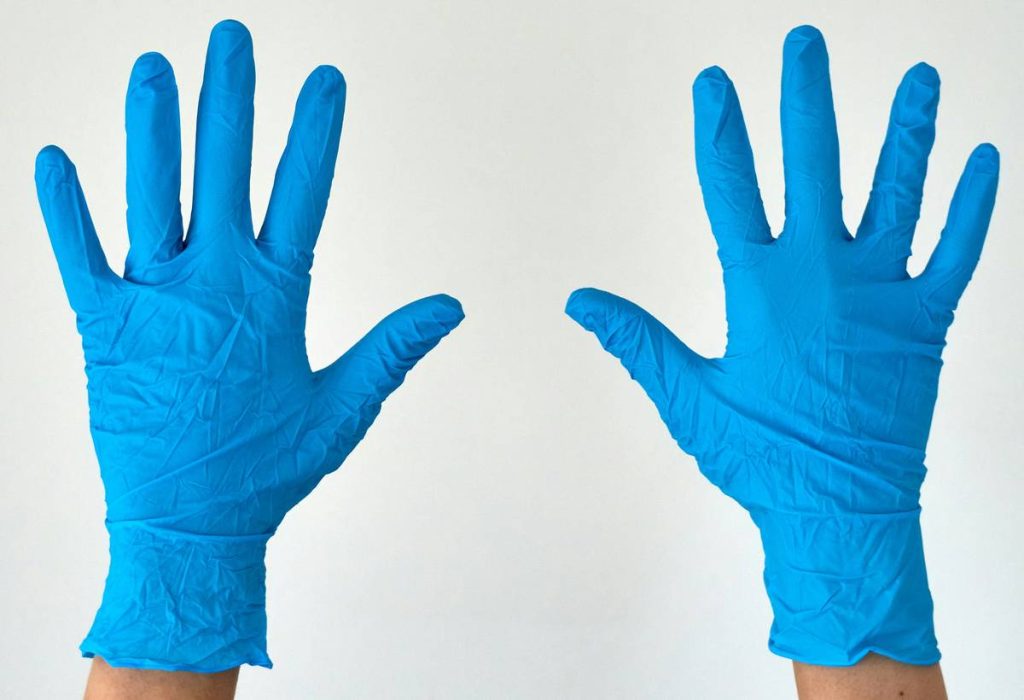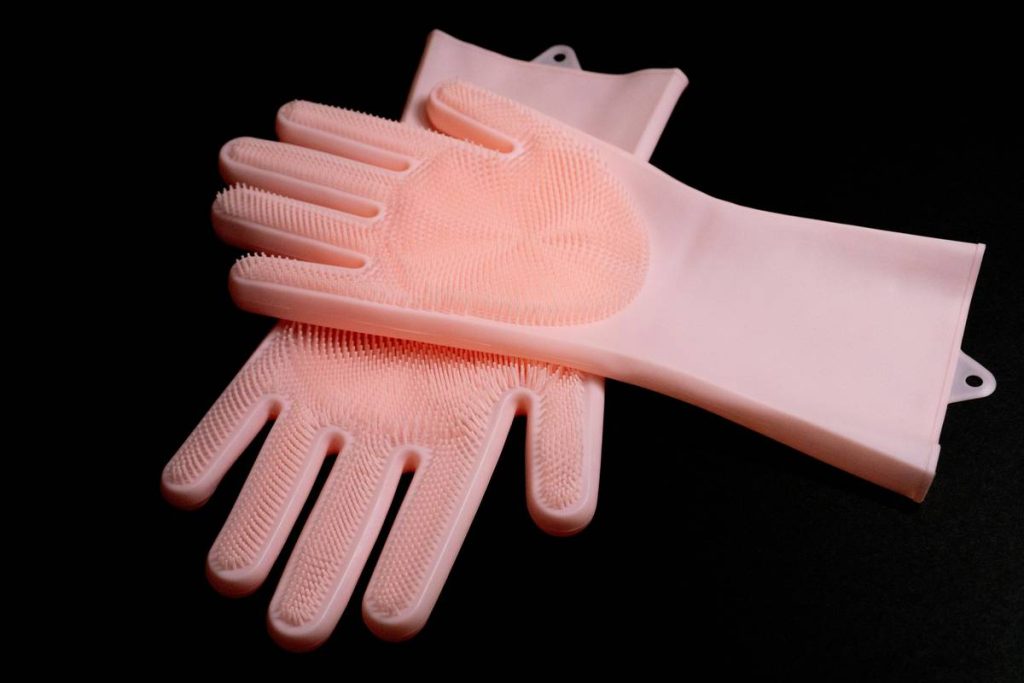
You’ve switched to reusable gloves—great move. But if you’re just rinsing them and tossing them in a drawer, you’re breeding bacteria, not sustainability. And that defeats the whole point. Here’s how to sanitize reusable cleaning gloves properly so they stay hygienic, durable, and truly eco-friendly.
Why Your Current Glove-Cleaning Routine Is Failing You
Most people think “soap + water = clean.” Not true for reusable gloves. Latex, nitrile, or rubber—they all trap moisture, skin cells, and chemical residue in microscopic crevices. Left unaddressed, that becomes a petri dish. Worse? Harsh disinfectants like bleach can degrade the material over time, creating tiny cracks where germs hide even deeper.
And here’s the kicker: many “eco-friendly” sanitizing hacks (vinegar soaks, baking soda scrubs) lack the microbial kill rate needed after handling raw meat juice or moldy grout. They smell fresh—but aren’t sterile.
How to Sanitize Reusable Cleaning Gloves: A Step-by-Step Protocol
Forget guesswork. This method balances hygiene, glove longevity, and environmental impact. Do it after every heavy-duty clean—or at minimum, weekly.
Step 1: Pre-Rinse Under Cold Running Water
Hot water sets proteins and oils into the glove fibers. Cold water lifts debris without cooking it onto the surface. Flip gloves inside out if your model allows—it exposes the sweat-prone interior.
Step 2: Soak in Targeted Sanitizing Solution
Diluted hydrogen peroxide (3%) works better than vinegar for killing E. coli and Salmonella on rubber surfaces. Mix 1 part peroxide with 2 parts water. Soak for 10 minutes. No peroxide? Use a mild dish soap with added tea tree oil (natural antifungal)—but only for light-duty gloves.
Step 3: Air-Dry Completely—Inside Out
Mold thrives in damp darkness. Hang gloves on a hook or lay them flat on a drying rack, turned inside out. Never store while even slightly damp. Sunlight adds UV disinfection—bonus points if you can dry them outdoors.

Sanitization Method Comparison
| Method | Effectiveness Against Germs | Glove Longevity Impact | Eco-Friendliness |
|---|---|---|---|
| Bleach soak (1:10) | ★★★★★ | ★★☆☆☆ (Degrades rubber fast) | ★☆☆☆☆ |
| Hydrogen peroxide (3%, diluted) | ★★★★☆ | ★★★★☆ | ★★★★★ |
| Vinegar + baking soda | ★★☆☆☆ | ★★★★★ | ★★★★★ |
| Hot water + dish soap | ★★★☆☆ | ★★★★☆ | ★★★★☆ |
The Industry Secret Most Brands Won’t Tell You
Here’s what glove manufacturers quietly know: the #1 cause of premature glove failure isn’t chemicals—it’s improper drying. Trapped humidity causes hydrolysis, silently breaking polymer chains. That’s why high-end reusable gloves now include moisture-wicking cotton liners. But even then, skipping full inversion during drying cuts usable life by 60%. Think about it: you wouldn’t store wet laundry in a sealed bag. Don’t treat gloves like an afterthought.
And no—putting them in the dishwasher seems clever, but the heat cycle warps elastic fibers. Stick to cold methods.
Frequently Asked Questions
Can I sanitize reusable gloves in the washing machine?
No. Agitation and detergent enzymes degrade rubber seals. Hand-sanitize only—your gloves will last years, not months.
How often should I sanitize reusable cleaning gloves?
After every use involving biohazards (pet waste, raw meat, mold). For general dusting or dishwashing, weekly sanitizing suffices.
Do reusable gloves harbor more bacteria than disposable ones?
Only if mismanaged. Properly sanitized reusables are cleaner than disposables—which are never “sterile” out of the box and often handled in non-hygienic conditions.