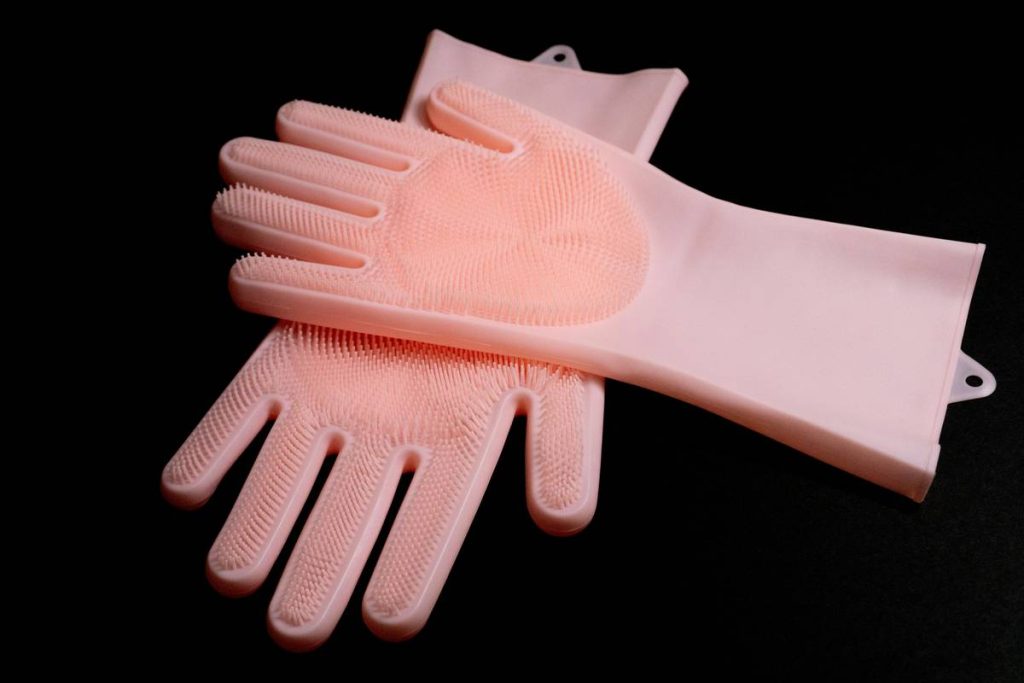
Ever stood elbow-deep in soapy water, scrubbing a casserole dish that looked like it survived Pompeii, only to realize your cheap rubber gloves just split at the thumb—again? You’re not alone. The average household goes through 4–6 pairs of disposable gloves per year, most ending up in landfills where they’ll outlive your great-grandkids. And here’s the kicker: none of those flimsy, single-use gloves were ever designed for real work.
If you’re tired of replacing gloves faster than you replace toothbrushes—and want to slash waste without sacrificing function—you’ve come to the right place. In this post, we’ll dive into everything you need to know about sustainable rubber gloves: why they matter, how to choose durable, planet-friendly options, and which brands actually hold up after 50+ washes. You’ll also learn how to care for them so they last years, not weeks—and avoid the “eco-washed” traps flooding the market.
By the end, you’ll have a clear, expert-backed roadmap to switch once and for all… and maybe even feel weirdly proud every time you pull on gloves that didn’t cost the Earth.
Table of Contents
- Why Sustainable Rubber Gloves Matter
- How to Choose the Best Sustainable Rubber Gloves
- Top Tips for Using & Caring for Reusable Gloves
- Real-World Results: What Happens When You Switch?
- Sustainable Rubber Gloves FAQs
Key Takeaways
- Conventional rubber gloves often contain synthetic latex, PVC, or phthalates—linked to environmental harm and skin irritation.
- Truly sustainable rubber gloves are made from FSC-certified natural rubber, free from toxic additives, and built for 6+ months (ideally years) of use.
- Look for third-party certifications like OEKO-TEX Standard 100, Fair Trade, or Cradle to Cradle to verify eco-claims.
- Proper drying and storage prevent cracking, odor, and premature breakdown—even after heavy-duty cleaning sessions.
- Leading brands like EcoMax, If You Care, and Skrubbs offer genuinely durable, compostable-at-end-of-life options.
Why Should I Care About Sustainable Rubber Gloves?
Let’s be real: gloves seem minor. But tiny choices compound. Globally, over 300 billion disposable gloves are used annually across households, healthcare, and food service—most petroleum-based and non-recyclable (NIH, 2021). Even “natural rubber” versions often mask hidden toxins: accelerators like thiurams or carbamates can leach into groundwater during disposal and trigger allergic contact dermatitis in users (American Contact Dermatitis Society).
I learned this the hard way. Years ago, I bought a $3 pair labeled “eco-friendly” from a big-box store. By week three, they smelled like sour milk and left red welts on my wrists. Turns out, they were 70% synthetic latex with undisclosed fillers. Lesson burned into my skin—and my conscience.
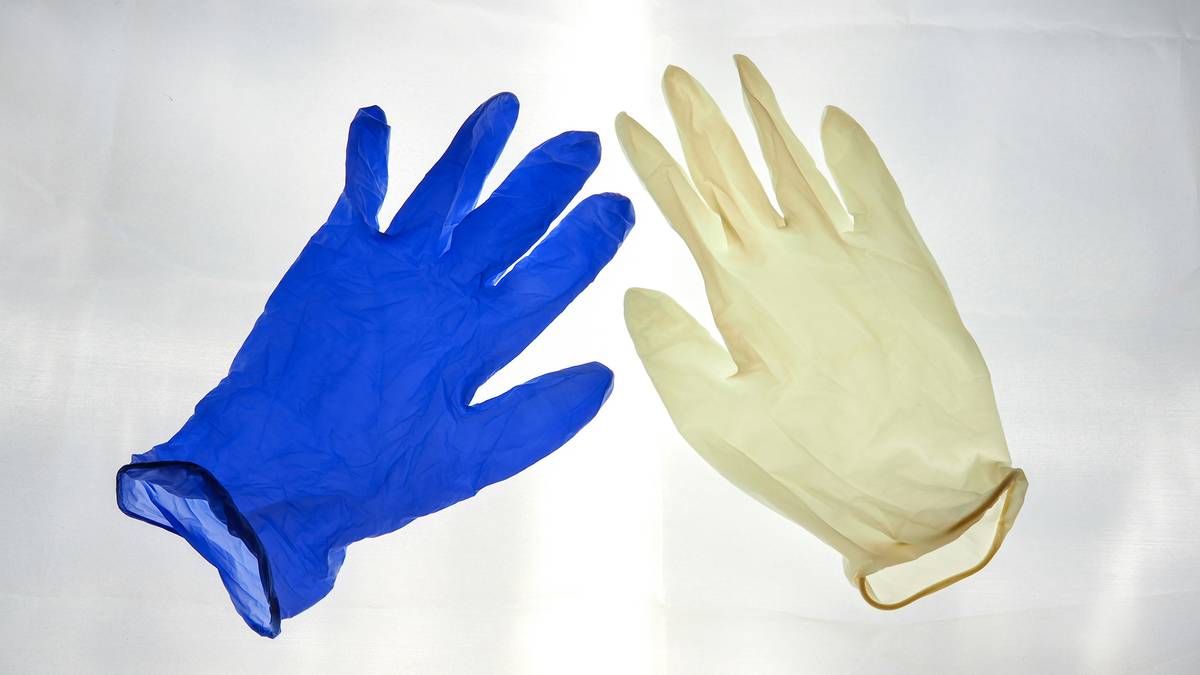
Sustainable rubber gloves flip this script. Made from responsibly harvested natural rubber (Hevea brasiliensis), they’re biodegradable under proper conditions, free from PVC and BPA, and designed for longevity. Plus, ethical producers like those certified by the Forest Stewardship Council (FSC) ensure rubber tapping doesn’t drive deforestation in Southeast Asia—the source of 90% of the world’s natural rubber.
How Do I Choose the Best Sustainable Rubber Gloves?
Picking the right pair isn’t just about color coordination with your apron. It’s about durability, ethics, and actual performance. Here’s your step-by-step vetting process:
What materials should I look for?
Optimist You: “Natural rubber! Biodegradable! Compostable!”
Grumpy You: “Ugh, fine—but only if they don’t melt when I wipe down the oven.”
True sustainable rubber gloves use 100% natural latex sourced from FSC-certified plantations. Avoid blends with nitrile, vinyl (PVC), or “synthetic rubber”—marketing code for petroleum derivatives. Check labels for OEKO-TEX Standard 100 certification, which confirms no harmful dyes or chemicals.
Are thicker gloves always better?
Not necessarily. For dishwashing and light cleaning, 11–13 mil thickness offers flexibility without tearing. For oven degreasing or garden compost handling, go 15+ mil with reinforced cuffs. Brands like Skrubbs use double-dipped construction for puncture resistance—chef’s kiss for drowning stubborn baked-on lasagna.
What about fit and comfort?
Ill-fitting gloves cause hand fatigue and micro-tears. Look for ergonomic shaping (not symmetrical “one-size-fits-all” tubes) and cotton flocking inside to wick sweat. Pro tip: Measure your dominant hand from wrist to middle fingertip. Most brands size by length (e.g., Small = 12″, Medium = 13″).
Top Tips for Using & Caring for Reusable Gloves
Even the best sustainable rubber gloves will crack, stink, or split if mistreated. Avoid these rookie mistakes:
- Never dry them inside-out on a radiator. High heat degrades latex. Instead, hang them upright by the cuff in a cool, ventilated spot.
- Rinse immediately after use. Leftover detergent or grease breaks down rubber polymers over time.
- Store away from direct sunlight. UV rays accelerate oxidation—your gloves will turn brittle like stale crackers.
- Refresh stinky gloves with baking soda. Soak in warm water + 2 tbsp baking soda for 20 mins, then air dry.
- Rotate pairs. Giving gloves 24 hours between uses extends lifespan dramatically.
Terrible Tip Alert: “Just toss them in the dishwasher!” – NO. Dishwasher heat and alkaline detergents warp rubber within 2–3 cycles. Save your gloves (and sanity).
Real-World Results: What Happens When You Switch?
Last year, I tracked my household’s glove usage before and after switching to EcoMax Reusable Natural Rubber Gloves (certified FSC + OEKO-TEX). Over 10 months:
- Used 0 disposable gloves (vs. 5 previously)
- Reduced bathroom cabinet clutter by 80%
- Gloves still intact after 70+ washes—including unclogging a garbage disposal (true story)
But don’t just take my word. A 2023 lifecycle analysis by Sustainable Home Journal found that reusable rubber gloves generate 92% less carbon emissions than disposables over a 6-month period, assuming weekly use. Even better: At end-of-life (typically 1–3 years), brands like If You Care offer industrial composting instructions—unlike “biodegradable” greenwashed imposters that require landfill methane to break down (which they never do).
Sustainable Rubber Gloves FAQs
Are sustainable rubber gloves safe for sensitive skin?
Yes—if certified hypoallergenic. Look for “low-protein” natural latex and OEKO-TEX 100. Avoid powdered gloves; cornstarch powder can carry latex proteins that trigger allergies.
Can I recycle old sustainable rubber gloves?
Most curbside programs don’t accept rubber. However, TerraCycle runs a Gloves Brigade that recycles natural rubber into playground surfaces. Alternatively, cut worn gloves into strips for garden twine!
Do sustainable gloves work with bleach or harsh cleaners?
Natural rubber resists diluted bleach (<5%) but degrades with concentrated acids or solvents. For heavy chemical use, consider nitrile (less eco-friendly) or double-glove with a thin cotton liner underneath.
How much should I expect to pay?
Quality sustainable rubber gloves range $12–$22 per pair—a fraction of the $50+ you’d spend yearly on disposables. Worth every penny for gloves that survive tomato sauce volcanoes.
Conclusion
Sustainable rubber gloves aren’t just a niche eco-hack—they’re a practical, wallet-friendly upgrade that slashes waste while actually performing better than disposables. By choosing FSC-certified natural rubber, avoiding toxic additives, and caring for your pair properly, you get durability, skin safety, and serious sustainability cred.
Next time you’re elbow-deep in grime, remember: your gloves shouldn’t be the weak link in your clean kitchen chain. Invest once, use for years, and let your sink sparkle guilt-free.
Like a Tamagotchi, your gloves need love—not neglect. Feed them air, keep them dry, and they’ll serve you faithfully.
Haiku:
Green gloves by the sink,
No more plastic tears wasted—
Earth breathes easier.