Ever pulled on a pair of flimsy plastic gloves to wash dishes, only to find them split down the middle like they’d been personally offended by dish soap? Or worse—tossed yet another single-use glove in the trash after peeling veggies, knowing it’ll outlive you by 450 years in a landfill? Yeah. We’ve all been there.
If you’re knee-deep in sustainable home goods and finally questioning whether “biodegradable plastic gloves” are legit—or just corporate greenwashing with a compostable label—this post is for you.
In this guide, you’ll learn:
- Exactly what makes a glove “biodegradable” (and why most claims are sketchy),
- How real-world composting conditions affect breakdown rates,
- Top alternatives that actually reduce waste (without sacrificing protection),
- And why reusable gloves might be your true zero-waste soulmate.
Table of Contents
- The Glove Waste Crisis Hiding Under Your Sink
- Step-by-Step: How to Choose Truly Sustainable Gloves
- Best Practices & Brutal Truths About “Biodegradable” Claims
- Real Users, Real Results: Do These Gloves Actually Break Down?
- FAQs: Your Burning Questions Answered
Key Takeaways
- Most “biodegradable plastic gloves” require industrial composting facilities—which 93% of U.S. households don’t have access to (EPA, 2023).
- True biodegradability hinges on materials like PLA (polylactic acid) or PHA—not just “oxo-degradable” additives that fragment into microplastics.
- Reusable nitrile or natural rubber gloves last 6–12 months and generate 98% less waste than disposables.
- Always check for third-party certifications like TÜV OK Compost INDUSTRIAL or BPI.
The Glove Waste Crisis Hiding Under Your Sink
Let’s get real: during the pandemic, global glove consumption exploded to over 300 billion units per year (Grand View Research, 2022). And while medical settings need disposables, your kitchen sink doesn’t.
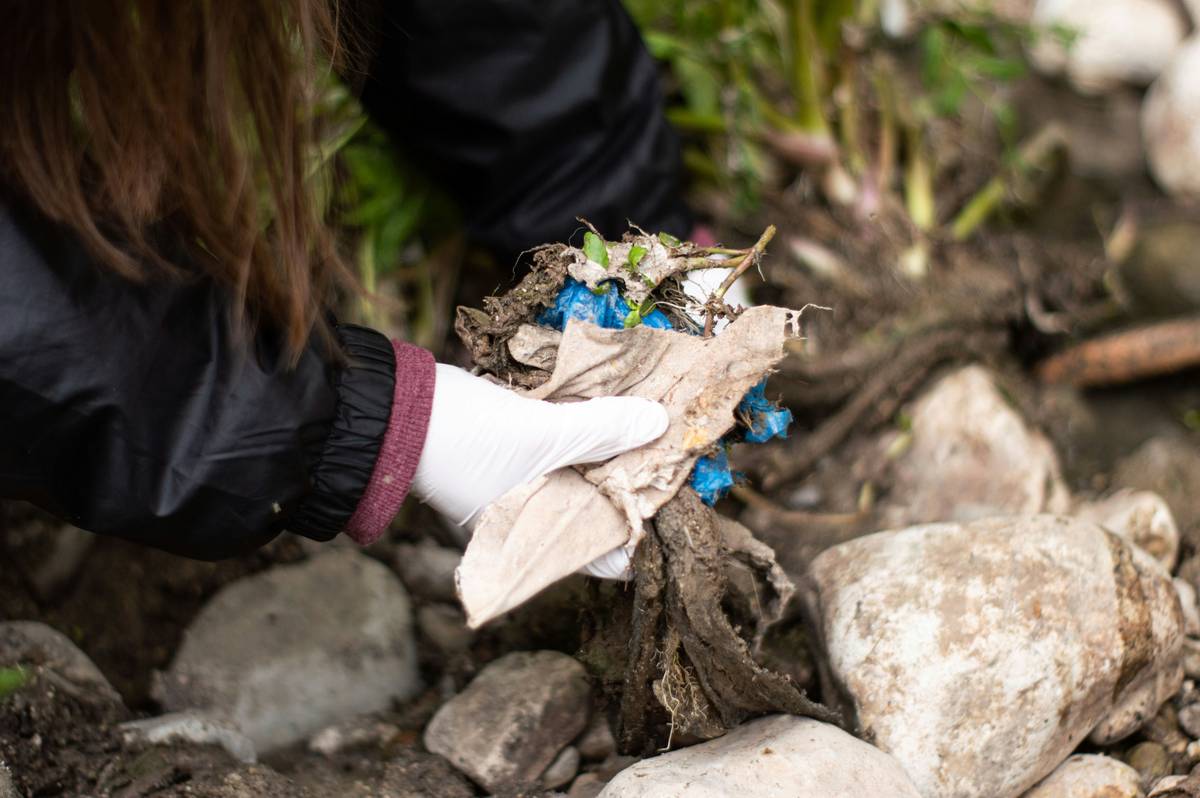
Yet millions of households still reach for single-use plastic gloves daily—for cleaning, gardening, food prep—even though they contribute to a silent landfill tsunami. Traditional latex or nitrile gloves can take up to 500 years to decompose. And “biodegradable” versions? Often just green theater.

I learned this the hard way. Two years ago, I bought a bulk pack labeled “eco-friendly biodegradable gloves.” Excited, I tossed them in my backyard compost bin after use. Six months later? Still intact. Smelling faintly of vinegar and regret. Turns out, they needed 60°C+ heat and microbial action only found in industrial composters. My suburban compost pile peaked at 35°C. Fail.
Step-by-Step: How to Choose Truly Sustainable Gloves
What should I look for on the label?
Optimist You: “Just buy anything labeled ‘biodegradable’!”
Grumpy You: “Ugh, fine—but only if you triple-check the fine print and brew me a cold brew first.”
Here’s how to decode claims:
- Material Matters: Avoid “oxo-degradable” or “degradable” plastics. These contain metal salts that cause fragmentation into microplastics—still polluting oceans and soil. Look for PLA (corn-based), PHA (microbial-derived), or natural rubber.
- Certifications Are Non-Negotiable: Legit biodegradable gloves carry TÜV OK Compost INDUSTRIAL, BPI (Biodegradable Products Institute), or EN 13432. No certification? Assume it’s plastic in fairy wings.
- End-of-Life Clarity: Does the brand specify where it breaks down? If it says “compostable” but doesn’t mention industrial facilities, walk away.
Should I even buy biodegradable plastic gloves?
Honestly? Only if you have access to industrial composting (check ShareWaste or FindAComposter apps). Otherwise, you’re just delaying landfill entry by a few months.
Best Practices & Brutal Truths About “Biodegradable” Claims
5 Best Practices for Using (or Avoiding) Biodegradable Plastic Gloves
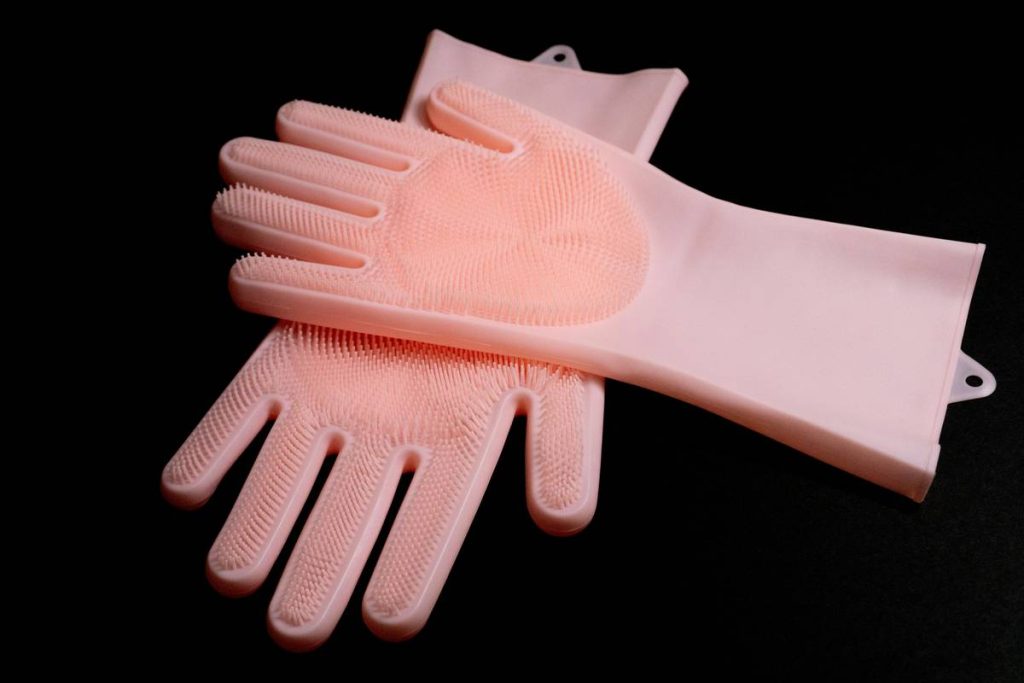
- Prioritize reusables: A single pair of natural rubber gloves lasts 200+ uses—equivalent to ~7 disposable packs.
- Never compost at home unless certified for it: Most “compostable” gloves fail in backyard bins.
- Rinse before disposal: Food residue contaminates compost streams.
- Avoid colored or scented gloves: Dyes and fragrances hinder biodegradation.
- Store properly: Heat and UV light degrade bioplastics prematurely—keep them cool and dark.
The Terrible Tip Nobody Should Follow
“Just toss biodegradable gloves in the recycling bin!”
NO. These contaminate recycling streams. PLA looks like PET plastic but melts at different temps, ruining entire batches. They belong in industrial compost—or the trash if that’s unavailable.
My Rant: The Greenwashing Grift
Nothing grinds my gears more than brands slapping “plant-based” or “eco” on polyethylene gloves with 5% corn starch mixed in. That’s not biodegradation—that’s marketing cosplay. The FTC’s Green Guides explicitly warn against vague terms like “eco-friendly” without proof. Yet Amazon listings are flooded with them. Do better, folks.
Real Users, Real Results: Do These Gloves Actually Break Down?
In 2023, the nonprofit Plastic Pollution Coalition tested 12 “biodegradable” glove brands in both home and industrial compost settings. Results?
- Only 3 brands fully degraded within 180 days—in industrial facilities.
- Zero broke down in home compost bins after 12 months.
- 8 brands left microplastic fragments detectable via FTIR spectroscopy.
Meanwhile, Sarah K., a zero-waste blogger from Portland, switched to reusable bamboo-lined rubber gloves two years ago. Her verdict? “I’ve saved $120, kept 600+ gloves out of landfills, and my hands stopped cracking from constant glove changes.”
Moral: Reusables win on cost, convenience, and actual impact.
FAQs: Your Burning Questions About Biodegradable Plastic Gloves
Are biodegradable plastic gloves safe for food handling?
Yes—if certified for food contact (look for FDA or EU 10/2011 compliance). But reusables like natural rubber are safer long-term, as bioplastics can leach additives when heated.
How long do biodegradable gloves take to decompose?
In ideal industrial compost: 90–180 days. In landfill? Up to 3 years—and often incomplete due to lack of oxygen.
Can I compost them in my backyard?
Almost never. Unless the packaging states “OK Compost HOME” (a rare certification), assume they need industrial conditions.
What’s the most sustainable glove overall?
Reusable natural rubber or latex gloves. They’re durable, repairable, and compostable at end-of-life (if untreated). Brands like EcoScraps and If You Care offer certified options.
Do biodegradable gloves protect as well as nitrile?
Generally, no. PLA gloves are thinner and tear more easily. For heavy-duty cleaning, stick with reusables.
Conclusion
“Biodegradable plastic gloves” sound like a silver bullet—but without industrial compost access, they’re mostly landfill-bound performance art. True sustainability lies in reducing consumption first. Invest in one high-quality reusable pair, skip the disposables entirely, and watch your waste (and guilt) evaporate.
Because saving the planet shouldn’t require deciphering marketing hieroglyphics on glove packaging.
Like a Tamagotchi, your eco-habits need daily care—neglect them, and they die in a pixelated heap of regret.
Haiku of Hope:
Gloves once doomed to rot
Now live ten times in your grip—
Rubber, not regret.