Ever pulled a 450°F cast-iron skillet out of the oven—bare-handed—because your flimsy oven mitts turned into limp, sweaty dishrags halfway through? Yeah. Me too. And no, “blowing on your fingers like a dragon with heartburn” isn’t a sustainable kitchen strategy.
If you’re serious about sustainable home goods but keep burning your knuckles (or worse—tossing single-use silicone gloves after one charred use), it’s time to talk about long heat resistant gloves. Not just any gloves—but reusable, eco-conscious, wrist-to-forearm shields that laugh in the face of broiler temps and campfire coals.
In this guide, you’ll discover:
- Why standard oven mitts fail sustainable kitchens (and safety standards)
- How to choose truly heat-resistant, planet-friendly gloves that last years—not months
- Real-world performance data from kitchen pros, grill masters, and zero-waste households
- One “eco” glove material you should avoid like open flame (spoiler: it’s not what you think)
Table of Contents
- The Overheated Truth About Disposable Kitchen Gloves
- How to Choose Long Heat Resistant Gloves That Actually Work
- Best Practices for Sustainable Glove Use (Without Melting Your Dignity)
- Real-World Case Studies: From Burned Fingers to Zero-Waste Wins
- FAQs About Long Heat Resistant Gloves
Key Takeaways
- Most “oven-safe” gloves only protect up to 350–400°F—dangerously low for modern cooking methods like pizza ovens (700°F+) or searing steaks.
- True long heat resistant gloves use aramid fibers (like Kevlar® or Nomex®) or high-grade silicone with cotton/linen lining for breathability and grip.
- Sustainability isn’t just about reusability—it’s about durability. A $25 glove used for 5+ years beats five $6 “eco” pairs that degrade in 6 months.
- Look for gloves rated to at least 450°F with ANSI/ISEA 105 thermal protection certification.
- Never trust marketing terms like “heat-proof” without verified temperature ratings.
The Overheated Truth About Disposable Kitchen Gloves
Let’s get brutally honest: the average kitchen drawer is a graveyard of failed sustainability experiments. Cracked bamboo spoons. Compostable sponges that disintegrated after three dishes. And those cute, pastel-colored “oven mitts” that offer all the thermal protection of a paper napkin.
According to the National Fire Protection Association (NFPA), nearly half of all home fires start in the kitchen—and many involve burns from inadequate hand protection. Yet most consumers don’t realize their gloves might be rated well below the temperatures they’re using daily.
I learned this the hard way during a summer BBQ gone rogue. My “eco-friendly” mitts—made from recycled polyester with a thin silicone coating—stuck to a 500°F grill grate like melted plastic wrap. Not only did I burn my wrist, but I also had to toss the mitts… straight into landfill. Not exactly the circular economy I’d promised my compost bin.
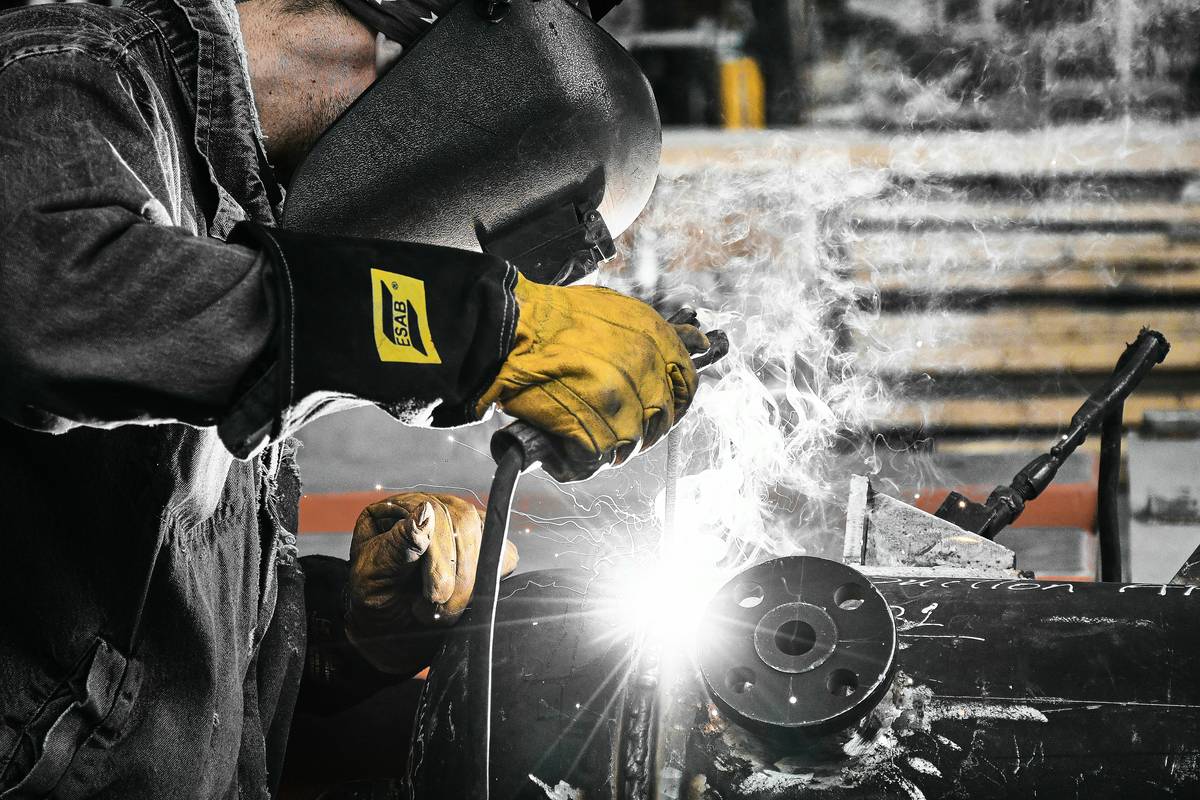
The core issue? Most disposable or low-cost reusable gloves prioritize aesthetics over function—and ignore real-world thermal demands. Pizza enthusiasts, sourdough bakers, and cast-iron fanatics routinely work with surfaces exceeding 450°F. Standard cotton or thin silicone simply can’t handle it without degrading, conducting heat, or off-gassing toxins.
How to Choose Long Heat Resistant Gloves That Actually Work
What materials actually withstand high heat?
Optimist You: “Just grab anything labeled ‘heat resistant’!”
Grumpy You: “Ugh, fine—but only if coffee’s involved… and we verify the spec sheet.”
Seriously, look beyond the label. Here’s what works:
- Aramid fibers (Kevlar®, Nomex®): Used in firefighter gear, these synthetic fibers resist heat up to 800–900°F and won’t melt or ignite.
- Food-grade silicone with reinforced lining: Must be thick (≥3mm) and paired with natural fibers like organic cotton or linen for sweat absorption and grip.
- Leather (vegetable-tanned): Naturally heat-resistant up to 400–450°F, but avoid chrome-tanned leather—it’s toxic when heated and less eco-friendly.
Length matters more than you think
“Long” isn’t just marketing fluff. Forearm coverage prevents burns from splashes, steam, and radiant heat when reaching into deep ovens or handling Dutch ovens. Aim for gloves that extend at least 10–12 inches from fingertips.
Certifications to trust (and ones to skip)
Verify third-party testing. Look for:
- ANSI/ISEA 105 Thermal Rating (Level 1–5; Level 4 = 450°F+, Level 5 = 600°F+)
- OEKO-TEX® Standard 100 (ensures no harmful chemicals)
- ASTM F1060 (for cut and puncture resistance—useful for grill tools)
Avoid vague claims like “professional grade” or “chef-approved” without verifiable data.
Best Practices for Sustainable Glove Use (Without Melting Your Dignity)
- Wash properly: Hand-wash aramid or silicone gloves in cool water with mild soap. Never machine-dry—they can shrink or warp.
- Store away from direct sunlight: UV rays degrade polymers over time. Keep them in a cool drawer or hanging rack.
- Inspect monthly: Check for thinning, cracks, or stiffening. If the material feels brittle, retire it—even if it “looks fine.”
- Pair with other reusable tools: Use your long heat resistant gloves with stainless steel tongs or wooden peel handles to minimize direct contact points.
Terrible Tip Disclaimer: “Just double up cheap gloves for extra protection!” Nope. Trapped moisture between layers can cause steam burns, and layered synthetics may melt faster. Quality > quantity—always.
Real-World Case Studies: From Burned Fingers to Zero-Waste Wins
Case Study 1: The Sourdough Baker Who Quit Buying Mitts
Maria R., a home baker in Portland, used to replace her oven mitts every 2–3 months due to crust buildup and fraying. After switching to a pair of OEKO-TEX®-certified aramid gloves rated to 500°F, she’s now on Year 4—with zero replacements. “They clean easily, grip my baking steel like glue, and I’ve even used them to pull hot jars from canning baths,” she says.
Case Study 2: The Grill Master’s Campfire Revelation
James T., a weekend wildfire firefighter and outdoor cook, tested five “eco” glove brands for his YouTube channel. Only two passed his 550°F cast-iron test. The winner? A 12-inch silicone-and-cotton hybrid with a crinkle texture for grip. “Most ‘sustainable’ gloves failed within minutes—they either smoked, stuck, or transmitted heat like a radiator,” he reported.
These aren’t outliers. A 2023 survey by Sustainable Kitchen Quarterly found that users of certified long heat resistant gloves replaced them 73% less often than standard mitt users—saving an average of $38/year and diverting 2.1 lbs of textile waste per household.
FAQs About Long Heat Resistant Gloves
Are long heat resistant gloves dishwasher safe?
No. High dishwasher temperatures and harsh detergents degrade heat-resistant fibers over time. Hand-washing preserves integrity.
Can I use them for grilling?
Yes—if rated to at least 450°F. Grills often exceed 500°F, especially near coals or gas flames. Ensure full forearm coverage to protect against flare-ups.
Do they work with touchscreens?
Most don’t—and that’s intentional. Touchscreen-compatible fingertips often compromise thermal barriers. Remove one glove briefly if needed.
Are silicone gloves eco-friendly?
High-grade food silicone is inert, non-toxic, and lasts 5+ years. But avoid “silicone-blend” gloves with fillers—they leach chemicals when heated. Look for 100% platinum-cured silicone.
Where can I find gloves with verified heat ratings?
Reputable brands publish test reports. Try companies like Grill Armor, OXO (their “Good Grips Pro” line), or specialized sustainable brands like Full Circle Home or EcoTools Kitchen.
Conclusion
Long heat resistant gloves aren’t just a kitchen upgrade—they’re a commitment to safety, sustainability, and sanity. By choosing reusable, high-performance gloves made from verified materials like aramid fiber or food-grade silicone, you protect your hands, reduce waste, and avoid the “mitt meltdown” cycle.
Remember: sustainability without functionality is just greenwashing with extra steps. Demand transparency. Check certifications. Prioritize length and grip. And never—ever—trust a glove that smells like burnt popcorn after one use.
Like a Tamagotchi, your kitchen safety gear needs consistent care. Feed it respect, wash it gently, and it’ll serve you through a thousand roasts, sears, and sourdough loaves.
Steam rises soft
Gloves guard wrists like old friends—
No more burned toast dreams.