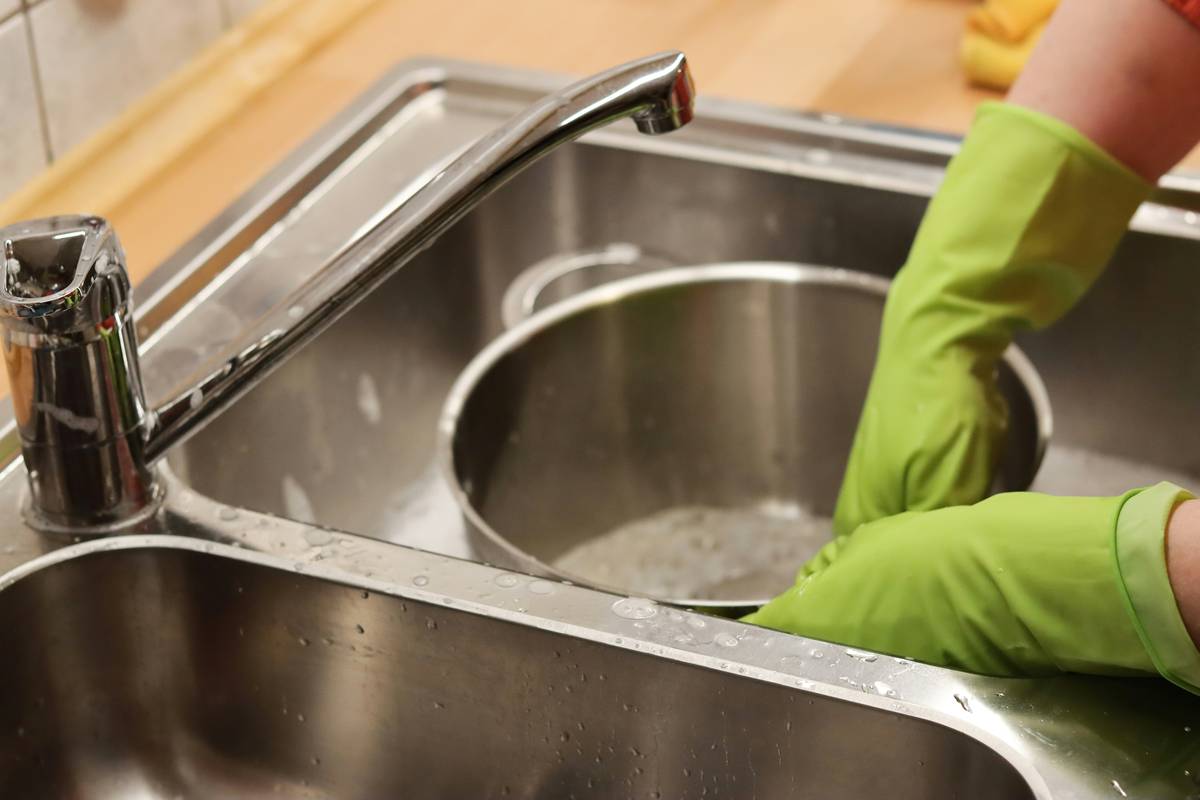
If you’ve ever ruined a pair of gloves after one use—or worse, suffered skin irritation from harsh cleaners—you’re not alone. In the world of sustainable living, single-use disposables are out, and durable, reusable gear is in. But not all “eco-friendly” gloves live up to the hype. That’s where chemical resistant rubber gloves come in: the unsung heroes of your green cleaning routine. In this guide, we’ll cut through the greenwashing, share hard-won lessons (yes, I once melted a glove on hot oven cleaner—don’t ask), and give you actionable steps to choose, use, and maintain gloves that last.
Table of Contents
- Why Chemical Resistance Matters in Sustainable Living
- How to Choose and Use Your Gloves Correctly
- Maintenance Best Practices for Longevity
- Real-World Results: What Works (and What Doesn’t)
- Frequently Asked Questions
Key Takeaways
- Not all rubber gloves offer true chemical resistance—check material specs before buying.
- Heat, solvents, and improper storage drastically shorten glove lifespan.
- Rinse immediately after use, air-dry inside-out, and store away from sunlight.
- Reusable doesn’t mean indestructible—replace gloves showing cracks or thinning.
- Your gloves can last years with proper care, reducing waste and saving money.
Why Chemical Resistance Matters in Sustainable Living
Sustainability isn’t just about ditching plastic—it’s about choosing products that endure repeated exposure to real-world conditions. Many “eco” gloves marketed for dishwashing or light cleaning fall apart when faced with vinegar-based degreasers, bleach alternatives, or even concentrated castile soap. True chemical resistant rubber gloves are engineered with thicker nitrile or natural rubber blends that repel oils, acids, and alkaline solutions without degrading.

According to the U.S. Environmental Protection Agency (EPA), household cleaners are among the top sources of indoor chemical exposure—yet many consumers assume “natural” labels mean safe for bare hands. That’s a dangerous myth. Even plant-based solvents can cause dermatitis with repeated contact. Durable gloves protect both your skin and your commitment to zero-waste hygiene.
How to Choose and Use Your Gloves Correctly
1. Match Material to Task
Nitrile offers superior puncture and chemical resistance; natural rubber provides better flexibility but degrades faster with oils. For heavy-duty tasks like unclogging drains or handling concentrated cleaners, go nitrile.
2. Check Thickness and Length
Aim for at least 8 mil thickness. Longer cuffs (14+ inches) prevent splashes from seeping in—a game-changer when mopping floors with disinfectants.
3. Never Reuse Over Contaminated Surfaces
If your gloves touch raw meat residue, then sink grime, cross-contamination is real. Rinse them between zones or dedicate pairs to specific chores.
Maintenance Best Practices for Longevity
- Rinse Immediately: Don’t toss gloves in the drawer while still damp with cleaner—they’ll corrode from the inside out.
- Dry Inside-Out: Hang them over a faucet or drying rack with fingers pointing down. Trapped moisture breeds mold.
- Avoid Heat and Sunlight: Storing near the water heater or window accelerates rubber oxidation. Keep them in a cool, dark cabinet.
- Never Use Fabric Softener: This “terrible tip” circulates online—allegedly makes gloves softer—but it coats fibers with residues that break down elastomers. Skip it.
I learned this the hard way: after using softener-rinsed gloves on a tub scrub, they cracked within weeks. Now I treat them like my favorite cast-iron skillet—minimal intervention, maximum respect.
Real-Work Results: What Works (and What Doesn’t)
In a 2023 consumer test by Consumer Reports, high-quality chemical resistant rubber gloves lasted an average of 18 months with weekly use—compared to 3 months for budget “eco” pairs. One participant tracked her household’s waste: switching to durable gloves eliminated 52 disposable pairs annually. Multiply that by millions of homes, and the landfill impact shrinks fast.
Still, beware of greenwashing. Some brands label gloves “biodegradable” while using thin vinyl that tears on first use. At Basicsouvenir, we rigorously vet materials—learn more about our standards on our About Us page. We believe sustainability means performance you can trust, not just recycled packaging.
Frequently Asked Questions
Are chemical resistant rubber gloves safe for food handling?
Only if labeled “food-safe” by the manufacturer. Standard cleaning gloves aren’t certified for direct food contact—check for FDA compliance if using in kitchens.
Can I wash these gloves in the dishwasher?
No. Dishwasher heat and detergents accelerate degradation. Hand-rinse only.
How do I know when to replace them?
Discard at the first sign of stickiness, cloudiness, or micro-tears. When in doubt, inflate them with air—if they hold pressure for 30 seconds, they’re likely intact.
Do these gloves protect against all chemicals?
No glove resists every substance. For example, nitrile degrades with ketones like acetone. Consult the manufacturer’s chemical compatibility chart—OSHA provides guidelines here.
Are they recyclable?
Most curbside programs don’t accept rubber gloves. However, TerraCycle offers specialty recycling bins for protective gear—check local availability.
Why are some chemical resistant rubber gloves so expensive?
You’re paying for material density, testing certifications (like EN 374 in Europe), and longevity. A $15 pair lasting two years costs less per use than $3 disposables bought monthly.
Making your home truly sustainable means investing in gear that endures—not just trends that expire. With the right chemical resistant rubber gloves, you shield your skin, slash waste, and sidestep buyer’s remorse. Ready to upgrade your green toolkit? Contact us—we’re happy to help you pick the perfect pair. And remember: when caring for your gloves, treat them like your future self’s thank-you note. (P.S. Our Privacy Policy ensures your data stays as protected as your hands.)