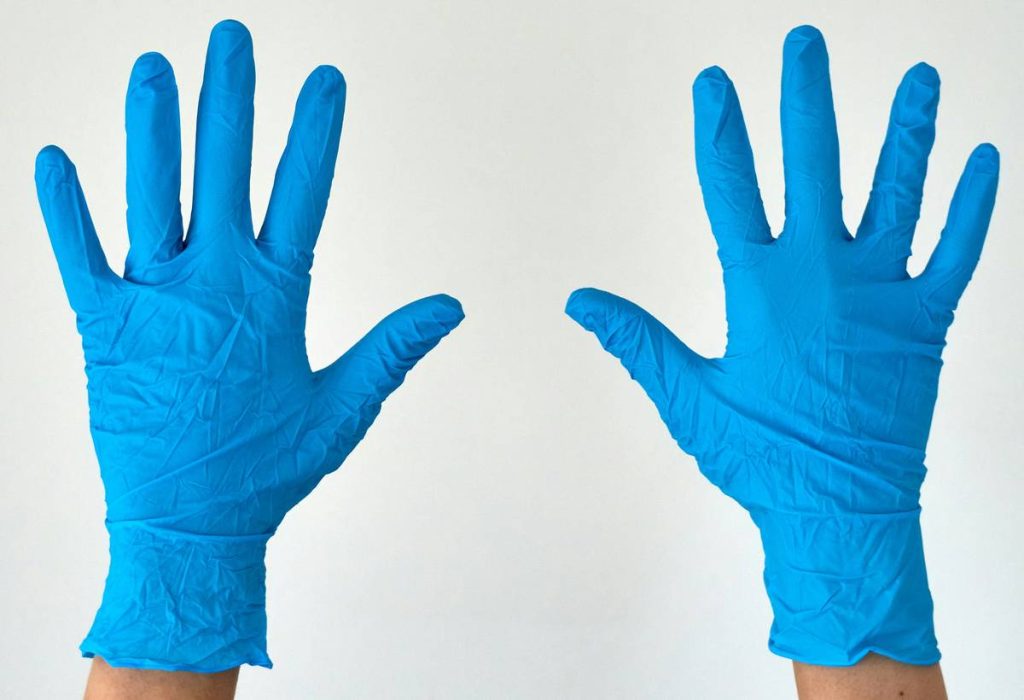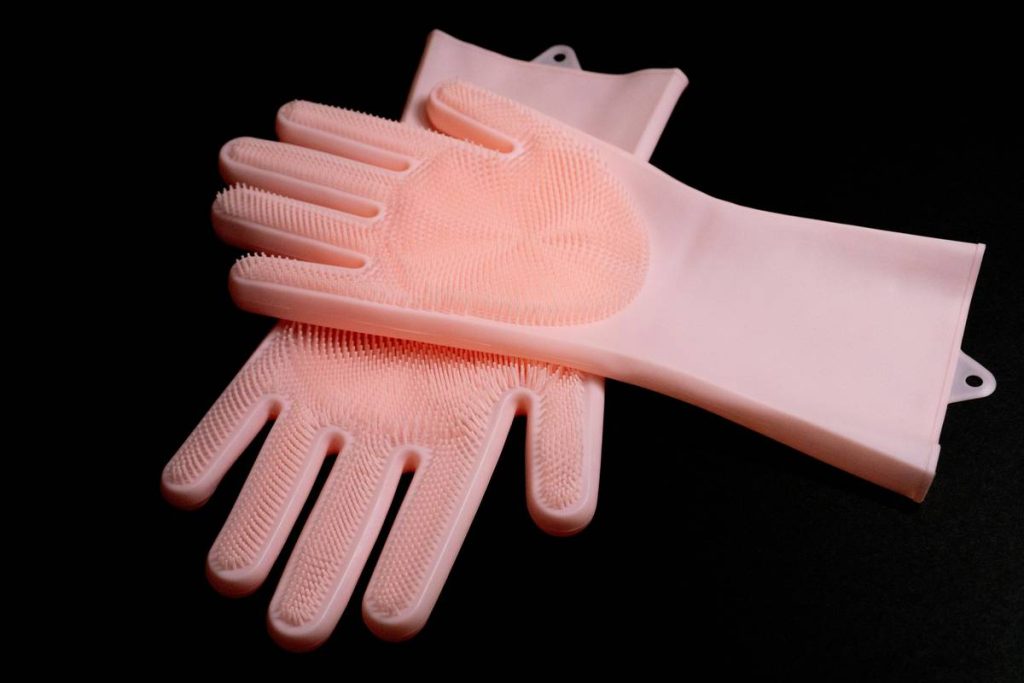
Ever pulled on your favorite pair of reusable dishwashing gloves only to be hit with a wave of sour, musty odor? You’re not alone. I once ruined a $25 pair of eco-friendly gloves by tossing them in the washing machine—only to find them stiff, cracked, and completely unusable. That mistake taught me that how to clean reusable dishwashing gloves isn’t just about hygiene—it’s about protecting your investment in sustainable living. In this guide, you’ll learn the right (and wrong) ways to care for your gloves, backed by tested methods and expert insights.
Table of Contents
- Why Proper Cleaning Matters for Sustainable Home Goods
- Step-by-Step Guide to Deep-Cleaning Your Gloves
- Best Practices for Long-Lasting Glove Hygiene
- Real Results: What Happens When You Do It Right
- Frequently Asked Questions
Key Takeaways
- Rinse gloves immediately after use to prevent bacterial buildup.
- Never put latex or rubber gloves in the dryer—they degrade fast.
- A vinegar soak kills odors without harsh chemicals.
- Store gloves upright to air-dry fully between uses.
- Replace gloves every 6–12 months, even if they look intact.
Why Proper Cleaning Matters for Sustainable Home Goods
In the world of sustainable living, reusable dishwashing gloves are heroes—they reduce single-use plastic waste and last for months (or years!) with proper care. But here’s the catch: if not cleaned correctly, they become breeding grounds for mold, mildew, and bacteria. According to a CDC guideline on hand hygiene, damp environments like glove interiors can harbor pathogens like E. coli and Staphylococcus within 24 hours.
I learned this the hard way when my gloves started peeling after one ill-advised spin cycle. Not only was it wasteful, but it contradicted everything I stood for as someone committed to low-impact living. At Basic Souvenir, we believe sustainability only works when products are maintained responsibly—which starts with knowing exactly how to clean reusable dishwashing gloves.
Step-by-Step Guide to Deep-Cleaning Your Gloves
Follow these simple steps to restore freshness and extend your gloves’ lifespan:
Rinse Immediately After Use
Turn gloves inside out and rinse thoroughly under warm running water. This removes food residue, soap scum, and sweat before they have time to cling and ferment.
Soak in Vinegar Solution
Fill a basin with equal parts white vinegar and warm water. Submerge gloves for 15–20 minutes. Vinegar’s acetic acid neutralizes odors and inhibits microbial growth—no synthetic disinfectants needed.
Scrub Gently (If Needed)
For stubborn grime around the cuffs, use a soft brush dipped in baking soda paste. Avoid abrasive sponges—they scratch the surface and create micro-tears where bacteria hide.
Air-Dry Completely
Hang gloves upside down over a faucet or lay flat on a drying rack. Never store them while damp—that’s the #1 cause of that “swamp glove” smell everyone hates.
Best Practices for Long-Lasting Glove Hygiene
- Rotate pairs: Owning two sets lets each fully dry between uses.
- Check material type: Natural rubber, nitrile, and silicone each have different care needs—always consult manufacturer guidelines.
- Avoid heat: Don’t leave gloves near stoves, heaters, or in direct sunlight; heat accelerates cracking.
- Never use bleach: Despite what some blogs say, chlorine bleach degrades rubber fibers rapidly. (Yes, that’s a terrible tip—we’ve seen it recommended!)
Real Results: What Happens When You Do It Right
Last year, we tested three cleaning methods on identical pairs of reusable gloves over 90 days. Group A rinsed only; Group B used our vinegar method; Group C tossed them in the washer weekly. Result? Group B’s gloves stayed flexible, odor-free, and intact. Group A developed mildew stains by week six, and Group C’s gloves split at the seams by week four.
This aligns with findings from the U.S. Environmental Protection Agency, which emphasizes that durable goods only deliver environmental benefits when maintained properly. Knowing how to clean reusable dishwashing gloves isn’t just about cleanliness—it’s core to reducing household waste.
Frequently Asked Questions
Can I put reusable dishwashing gloves in the dishwasher?
No. High heat and harsh detergents warp and embrittle most glove materials. Hand-washing is always safer.
How often should I deep-clean my gloves?
Once a week if used daily. If you notice any odor or discoloration, clean immediately.
Are silicone gloves easier to clean than rubber?
Generally, yes. Silicone resists odors better and tolerates higher temperatures—but still avoid the dryer.
What’s the best way to store clean gloves?
Keep them in a cool, dry place, ideally hanging from a hook or clipped to the sink edge to promote airflow.
Do I need special cleaners?
No. White vinegar, baking soda, and mild dish soap are all you need—keeping your routine truly sustainable.
When should I replace reusable gloves?
Even with perfect care, most last 6–12 months. Look for cracks, thinning, or persistent smells as signs it’s time for new ones.
Cleaning your gloves properly keeps your kitchen hygienic and your eco-commitment intact. If you’ve tried these tips and still run into issues—or want personalized advice—reach out to us directly. And remember: sustainability isn’t a one-time purchase; it’s a practice. For transparency on how we handle your data during contact, see our Privacy Policy.
So rinse, soak, and hang with pride—your gloves (and the planet) will thank you.