
Most “eco-friendly” households skip one critical line of defense: hand protection. They’ll compost food scraps and ditch plastic—but reach into a bucket of lye-based cleaner or hot compost tea with bare hands. The result? Dry, cracked skin, chemical exposure, or worse. Enter heat resistant chemical resistant gloves—not just safety gear, but a cornerstone of truly responsible living.
Disposable Gloves Are Failing the Sustainability Test
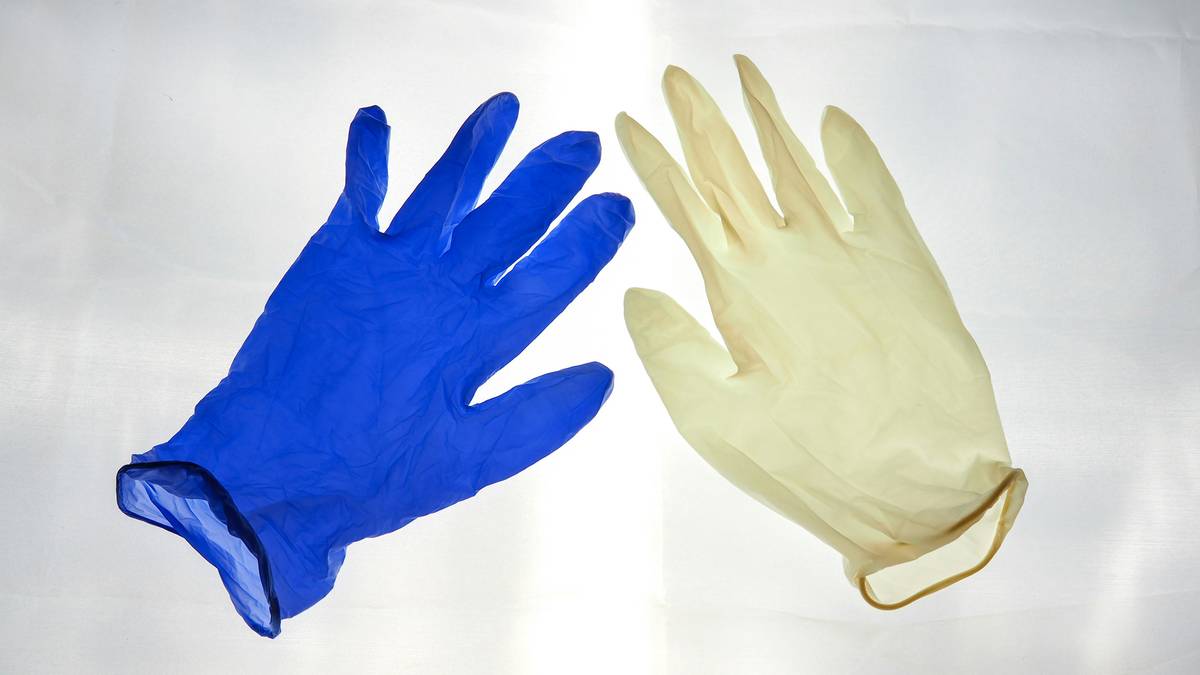
Latex, nitrile, vinyl—they’re single-use by design. And they pile up fast. One household cleaning session can burn through three pairs. Multiply that across millions of homes, and you’ve got a silent landfill crisis wrapped in rubber.
But it’s worse than waste. Most disposables melt at modest heat—try handling a steaming pot of homemade soap (often 140°F+) and see how fast your “protection” turns into a sticky hazard. And chemical resistance? Many degrade instantly when exposed to vinegar-acid mixes, citrus-based degreasers, or even essential oil concentrates.
How to Choose & Use Reusable Gloves That Actually Work
Not all reusable gloves are created equal. The best blend durability, thermal shielding, and broad-spectrum chemical resilience—without relying on toxic coatings.
Material Matters More Than Color
Natural rubber is biodegradable but fails above 160°F. Neoprene handles both acids and heat up to 212°F—but check for PVC-free lining. The real sleeper? Thermoplastic elastomer (TPE) composites. They’re recyclable, resist temps up to 250°F, and repel solvents better than you’d expect from a “green” product.
Fit Dictates Function
Oversized gloves snag on tools. Tight ones tear at the seams. Measure your dominant hand—and prioritize cuffs that extend past the wrist. Spills don’t stop at the knuckle.
Cleaning Protocol Changes Longevity
Rinse immediately after use. Hang to dry—never toss in a damp drawer. And skip the dishwasher. High-alkaline detergents eat away at polymer chains over time.

| Glove Type | Max Temp Resistance | Chemical Resistance | Lifespan (Avg. Uses) | Eco-Impact |
|---|---|---|---|---|
| Latex (disposable) | 120°F | Poor (degrades with oils/alcohols) | 1 | High microplastic shedding |
| Nitrile (disposable) | 140°F | Moderate (fails with ketones) | 1–2 | Persistent in landfills |
| Neoprene (reusable) | 212°F | Strong (acids, bases, alcohols) | 100+ | Recyclable via specialty programs |
| TPE Composite (reusable) | 250°F | Excellent (includes mild solvents) | 150+ | Fully recyclable; plant-based variants emerging |
The Industry Secret Nobody Talks About
Big glove brands quietly test their “chemical resistant” claims against diluted lab solutions—not real-world concoctions. Your DIY oven cleaner? It’s often sodium hydroxide + boiling water. That’s more aggressive than any ISO standard simulant. And guess what? Most “multi-use” gloves blister within minutes.
Here’s the fix: Look for gloves certified to EN 374-1:2016 Type B (≥6 chemicals) AND ASTM F1060 for cut/abrasion resistance. Few sustainable brands advertise this—but they’re usually the ones trusted by small-batch soap makers, natural dyers, and urban homesteaders. If the label doesn’t list specific test standards, assume it’s marketing fluff.
FAQ
Are heat resistant chemical resistant gloves really necessary for home use?
Yes—if you handle anything above 120°F or mix cleaners containing acids, alkalis, or essential oils. Kitchen steam and vinegar solutions alone can breach standard gloves.
Can these gloves be composted?
Only if made from 100% natural rubber without synthetic linings. Most high-performance reusable gloves (neoprene, TPE) aren’t compostable—but last 100+ uses, drastically reducing waste.
How do I know if my gloves have failed?
Check for swelling, stiffness, discoloration, or a sticky surface after exposure. When in doubt—retire them. Degraded gloves offer zero protection.