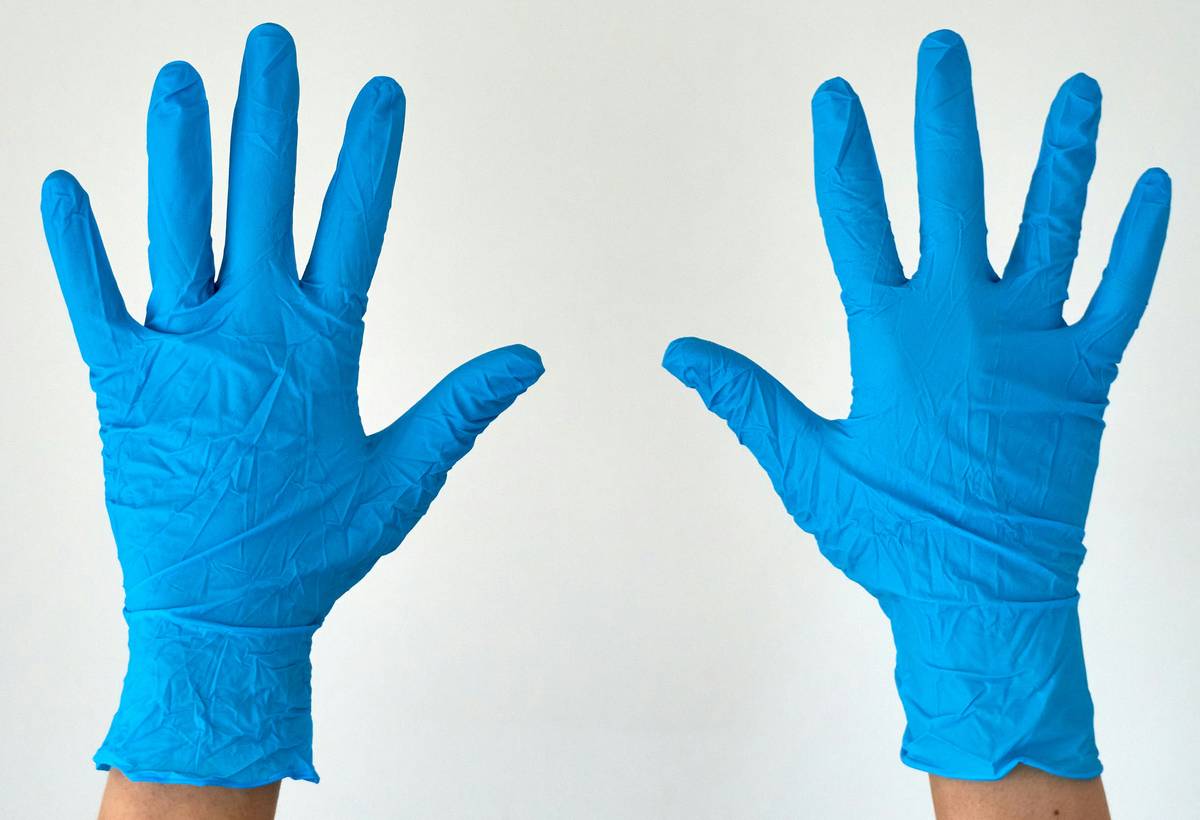
Every time you reach for flimsy disposable gloves to handle cleaning agents, pesticides, or solvents—you’re gambling with your skin. And worse, your planet. They tear. They leak. They pile up in landfills. But here’s the fix: durable, reusable chemical resistant work gloves engineered to outlast dozens of single-use pairs—without compromising safety.
The Disposable Delusion—and Why It’s Failing You
Most homeowners and DIYers grab cheap nitrile or latex gloves off the shelf because they’re “good enough.” Good enough until they split halfway through degreasing your garage floor. Good enough until acetone seeps through during a craft project. These throwaways aren’t built for real chemical exposure—they’re theater props sold as protection.
And the environmental math is brutal: One person using three pairs a week generates 156 single-use gloves annually. Multiply that by millions. All for a false sense of security.
Your Step-by-Step Guide to Choosing Reusable Chemical Resistant Work Gloves
Not all reusable gloves are equal. Material, thickness, and certification matter more than brand logos.
Material Matters Most
Nitrile rubber? Excellent for oils and acids—but weak against ketones. Neoprene? Broad resistance, including alcohols and peroxides. Butyl rubber? Your only real defense against gases like formaldehyde. Know your threat before you choose your shield.
Check the Standards—Seriously
Look for EN 374 or ASTM F739 certification. These test actual breakthrough times—not marketing claims. A glove rated for “moderate” chemical contact might fail in under 10 minutes with strong solvents. Don’t guess. Verify.
Fit Isn’t Optional
Oversized gloves slip. Undersized ones crack at the seams. Measure your hand properly. A snug-but-flexible fit ensures dexterity and reduces fatigue during long tasks—like stripping old paint or handling pool chemicals.
| Glove Material | Best Against | Weak Against | Reusable Lifespan (Avg.) |
|---|---|---|---|
| Nitrile | Oils, greases, diluted acids | Ketones (e.g., acetone), strong oxidizers | 20–50 uses with proper care |
| Neoprene | Alcohols, peroxides, mild caustics | Aromatic hydrocarbons (e.g., benzene) | 30–60 uses |
| Butyl Rubber | Ketones, esters, gas permeants | Aliphatic hydrocarbons (e.g., hexane) | 15–40 uses (specialized use) |

The Industry Secret Big Brands Don’t Want You to Know
Here’s what glove manufacturers won’t advertise: most “chemical resistant” labels assume short, incidental contact—not prolonged immersion. But in real life? You’re scrubbing, soaking, wiping for 20 minutes straight. That’s where standard reusable gloves fail.
The workaround pros use? Double-gloving with a cotton liner underneath. The inner glove wicks sweat, prevents blisters, and—critically—catches micro-leaks before they hit your skin. And yes, both layers can be washed and reused. It’s old-school, low-tech, and wildly effective.
But don’t just wash them in hot water. Use pH-neutral soap. Air-dry away from UV light. Store flat—not crumpled in a drawer. Treat them like tools, not trash.

Frequently Asked Questions
Can reusable chemical resistant work gloves be washed?
Yes—if made from nitrile, neoprene, or butyl. Rinse immediately after use, wash with mild soap, and air-dry. Avoid bleach or solvents during cleaning.
How do I know if my gloves are still safe to use?
Check for stiffness, discoloration, or swelling. Perform a water inflation test: seal the cuff, blow air in, and submerge. Bubbles mean micro-tears. Retire them.
Are reusable gloves more cost-effective?
Absolutely. A $15 pair lasting 30+ uses costs $0.50 per task. Disposables run $0.20 each—but you’ll burn through 3x as many due to tears and leaks.