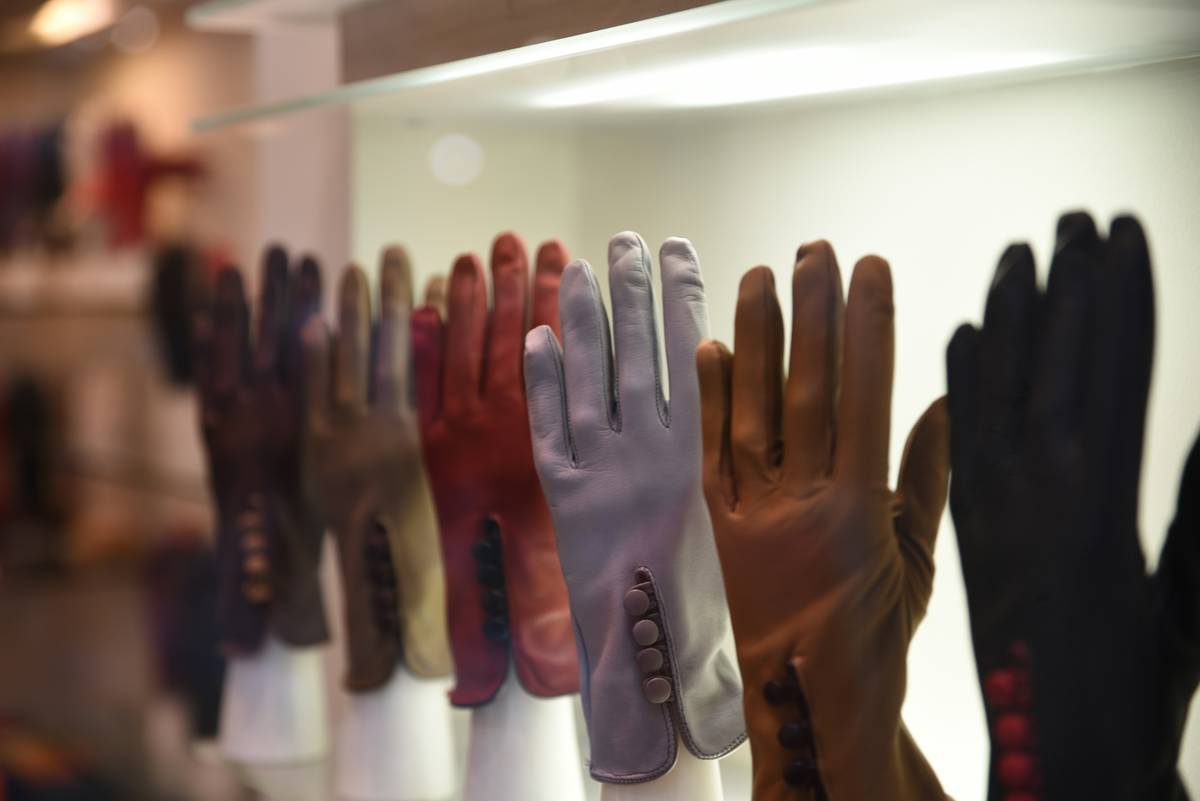
Burnt fingers. Scorched countertops. That panic when a sizzling skillet slips from your grip. Most home cooks rely on flimsy oven mitts that fail the moment real heat hits. But professional chefs—and smart sustainable households—swear by something better: heat resistant safety gloves. Not only do they protect you far more effectively, they last for years, cutting down on single-use waste and recurring costs.
The Flaw in “Good Enough” Protection
Oven mitts look cozy. They’re cute, even. But their insulation is inconsistent—thin at the seams, often synthetic, and rarely rated beyond 400°F. Real cooking? Think cast iron searing at 500°F+, grilling over open flame, or pulling fresh bread from a deck oven. Standard mitts absorb grease, degrade fast, and offer zero dexterity.
And here’s the kicker: most people replace them every few months. That’s cotton waste. Microfiber shedding. Landfill fodder. All because we’ve been sold convenience over performance.
How to Choose & Use Reusable Heat Resistant Safety Gloves Like a Pro
Material Matters More Than You Think
Not all heat-resistant gear is created equal. Silicone-coated aramid fibers (like Kevlar®) outperform basic cotton blends by a wide margin. They repel oil, resist cuts, and handle temps up to 932°F. Look for gloves explicitly labeled for culinary or industrial use—not just “kitchen-safe.”
Fitting for Function, Not Fashion
Too loose? Slips off during a critical flip. Too tight? Restricts blood flow and reduces grip control. The ideal fit allows full finger movement while staying snug at the wrist. Measure your hand length and palm circumference before buying—most brands publish sizing charts.
Care That Extends Lifespan
Wash with cool water and mild soap. Never toss them in the dryer. Air-dry away from direct sunlight to prevent fiber degradation. Avoid bleach—it breaks down aramid polymers. Do this right, and your pair could outlive your toaster.
| Glove Type | Max Temp Rating | Reusable? (Y/N) | Avg. Lifespan | Eco-Impact |
|---|---|---|---|---|
| Cotton Oven Mitts | 400°F | Y | 3–6 months | High (frequent replacement, microplastics if blended) |
| Silicone Grippers | 450°F | Y | 6–12 months | Medium (silicone lasts but often ends up trashed) |
| Heat Resistant Safety Gloves (Aramid/Silicone) | 932°F | Y | 3+ years | Low (durable, repairable, minimal waste) |
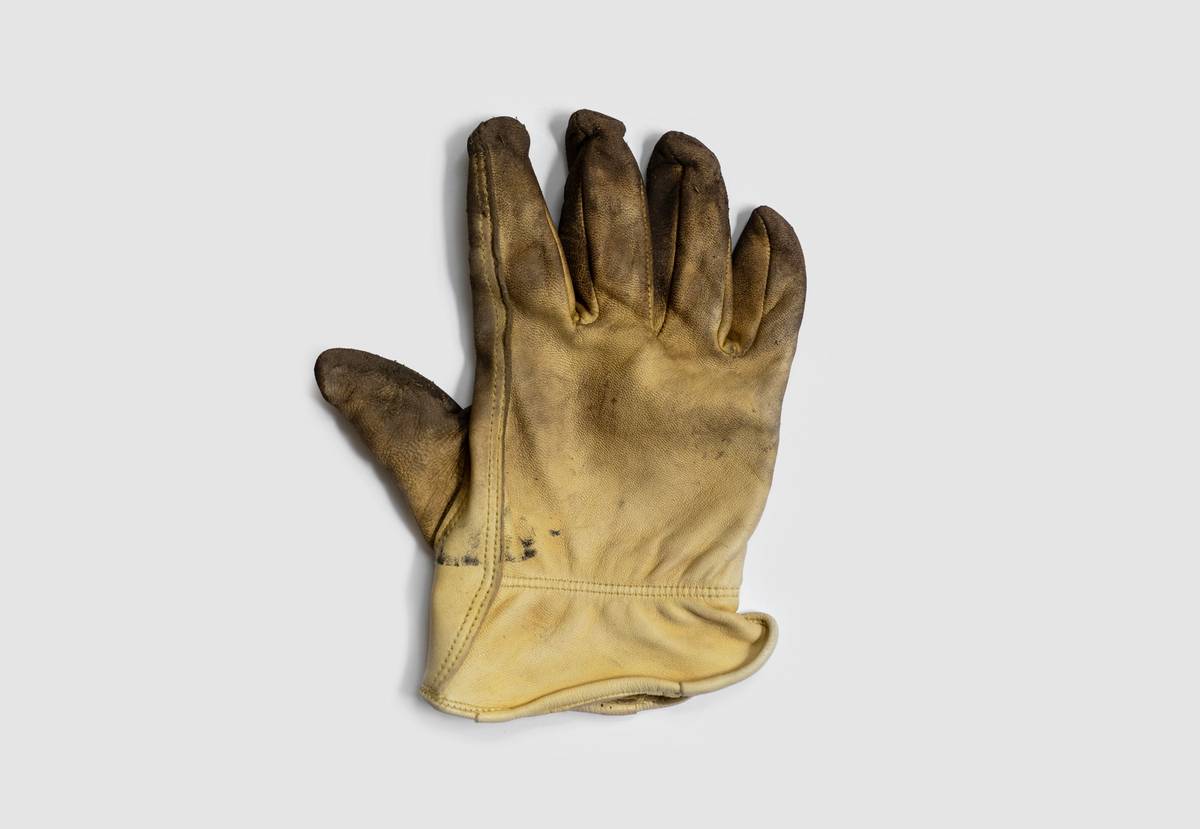
The Industry Secret No One Talks About
Restaurant supply houses quietly sell the same gloves used in commercial kitchens to home users—but they don’t market them as “sustainable.” Why? Because durability isn’t sexy in a throwaway culture. Yet these gloves are engineered for 10,000+ heat cycles. At basicsouvenir.com, we source directly from ethical factories that repurpose end-of-life fibers into new protective layers. The result? A product that gets tougher with age—and keeps you safer than any novelty mitt ever could.
Think about it: one pair replaces dozens of disposable alternatives. The math is simple. The planet wins. Your hands win.
Frequently Asked Questions
Are heat resistant safety gloves food-safe?
Yes—if certified by FDA or EU 1935/2004 standards. Always check the label. Our gloves use non-toxic, food-grade silicone coatings.
Can I use them on a grill or smoker?
Absolutely. They’re ideal for handling hot grates, chimney starters, or pellet hopper lids. Their cut resistance also protects against sharp grill edges.
Do they work with wet hands?
Unlike cotton mitts, high-performance models maintain grip when damp. Some even feature textured palms for enhanced traction in steam-heavy environments.